
Nature Journaling as a Cross-Curricular Tool

Updated: Jul 24
Nature Journaling is far more than drawing leaves or documenting what we see outdoors. It’s a powerful thinking tool that strengthens observation, curiosity, reflection, and creativity across every subject area. Whether you’re teaching science, language, math, social studies, or the arts, the simple scaffolding of “I Notice, I Wonder, It Reminds Me Of” paired with words, pictures, and numbers opens the door to rich, meaningful learning.
Below are practical, classroom-ready ways to use Nature Journaling as a truly cross-curricular practice.
Science: Exploring Systems Through Journaling
If you're teaching systems for example, simple machines, electricity, flight, metamorphosis, water systems, or others, have students nature journal the system itself.
Using the scaffolding:
I Notice… encourages close observation: parts, patterns, functions.
I Wonder… sparks inquiry: How does this move? What powers it? What changes over time?
It Reminds Me Of… prompts connections between prior knowledge and new learning.

Students can sketch diagrams, label parts, estimate sizes, map stages, or track changes using math and visual models. Journaling helps them break down how a system works while developing scientific thinking skills.
Cross-Curricular Field Walks: Mapping and Memory
Take your class for a short walk, around the schoolyard, neighbourhood, or local greenspace.

Students can:
jot quick notes, record observations, take photos from different angles
Back in the classroom, have students:
create a map of their journey
track where they found certain organisms, features or how it made them feel being outdoors
compare their environment now with historical maps
This is a wonderful opportunity to introduce Treaty teachings, exploring how the land

has changed, whose traditional territory you are on, and what responsibilities we carry as people learning from and living on this land.
Language Arts: Poetry, Perspective Writing & Storytelling
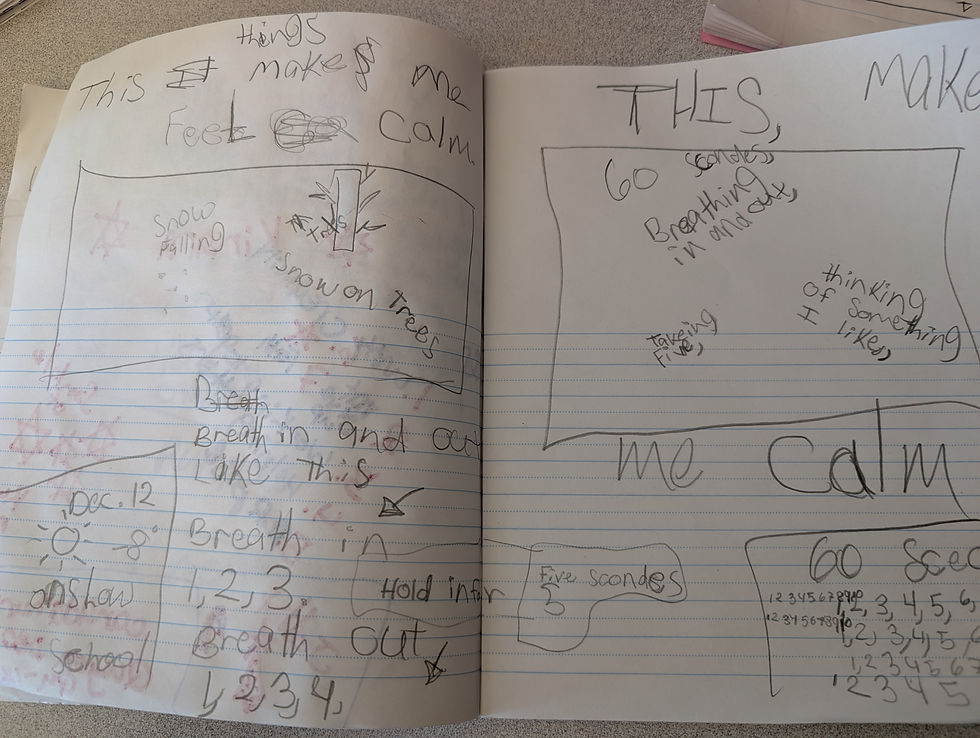
Nature Journaling is naturally rich in language.
Try these prompts:
Use their observations, questions, and connections to write poetry.
Have students write a short story from the perspective of the squirrel they observed.
Turn their journal page into a descriptive paragraph or a micro-essay.
This builds voice, creativity, and descriptive writing skills while deepening their ecological understanding.
Math: Data Collection & Pattern Recognition
Nature offers endless opportunities for authentic data collection.
Students can:

measure the growth of plants
count birds or track animal sightings
compare weather patterns
record water levels or temperatures
They can turn this data into:
bar graphs
line graphs
pie charts
tables
comparison models
Phenology wheels are an especially fun tool for tracking changes over time, whether students are monitoring a plant, the sky, the moon, or seasonal transformations. Templates are readily available online!

Celebrations From Around the World: Exploring Cultural Learning Through Nature Journaling
Nature Journaling can also be a powerful way to explore celebrations and cultures from around the world. Recently, a teacher I work with in Quebec shared that her class was learning about December celebrations and was currently studying Kwanzaa. I encouraged her to bring that learning into their nature journals—and she did!
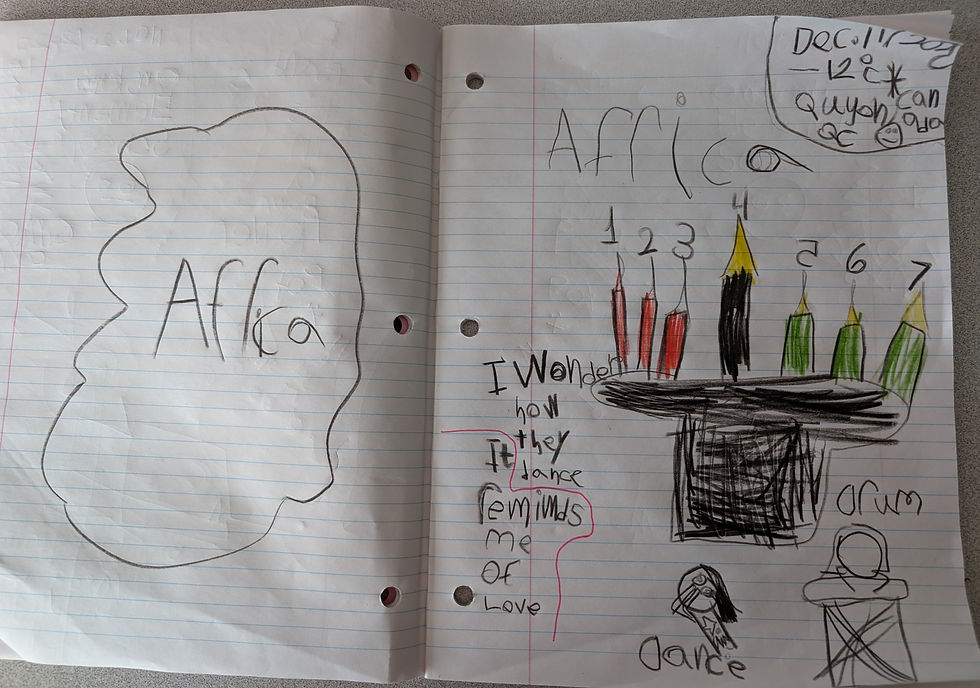
Students used observation, colour, symbolism, and reflection to deepen their understanding of the celebration. Here are some photos of their wonderful work.

This approach can be used for many cultural events, such as:
Diwali – exploring light, colour, patterns, and symmetry
Hanukkah – journaling symbols of resilience, light, and tradition
Lunar New Year – documenting animals of the zodiac, lucky colours, and cultural symbolism
Winter Solstice – noticing seasonal change, light levels, and reflective themes
Ramadan – exploring phases of the moon, reflection, and gratitude
National Indigenous Peoples Day – journaling land-based teachings, plants, animals, and relationships

Through this process, students build cultural awareness, empathy, and curiosity while strengthening observation and critical thinking skills.
Nature Journaling becomes a meaningful bridge between celebrations, identity, and the natural world, helping students explore global traditions in an engaging, hands-on, reflective way.
Make Nature Journaling Your Cross-Curricular Bridge
Nature Journaling is not an extra activity or a bonus add-on. It’s a flexible learning tool that helps students and teachers think deeply, question respectfully, explore creatively, and connect meaningfully with whatever they are learning.
Encourage your students to let their journals become outdoor science notebooks, math data logs, language arts idea books, geography field guides, and personal reflection spaces.
There is no wrong way to Nature Journal.
Let the journals help your students dive deeper into anything you’re teaching inside or outside the classroom.

Comments